Beyond the tonnes: Understanding safeguards in superpollutant projects
September 10, 2026 - Research
Superpollutant projects are attracting growing attention in the voluntary carbon market, and for good reason. Reducing methane, ozone-depleting substances (ODS), and high-global-warming-potential refrigerants can deliver significant and, in some cases, highly measurable climate benefits.
But climate impact is only one part of project quality.
Superpollutant projects can deliver measurable emission reductions while also demonstrating strong “beyond carbon” performance such as contributions to sustainable development. For buyers evaluating these credits, it is also critical to understand how projects identify and manage risks beyond greenhouse gas (GHG) accounting. At Calyx Global, we assess environmental and social safeguards alongside carbon integrity to provide a more complete picture of project quality.
Nature-based projects are not the only ones with risk
Safeguards are often associated with nature-based projects, where risks related to land, biodiversity, Indigenous Peoples, and local communities may be more visible. Superpollutant projects can have a smaller physical footprint and operate in regulated industrial settings, but that does not make safeguards less relevant.
The risks may simply sit elsewhere — including worker safety, hazardous materials, air or water quality, fire and explosion hazards, access to private property, or impacts on nearby communities.
Understanding those risks requires looking at how the project actually operates: where risks arise, who or what could be affected, and whether the measures in place are proportionate. For superpollutant projects, that starts with the activity itself.
Different activities, different risks
Superpollutant projects may share a common objective — preventing highly potent GHGs from reaching the atmosphere — but the activities used to achieve that goal can be very different. Plugging an abandoned oil and gas well, repairing a methane leak, capturing gas from a landfill, or destroying refrigerants each creates a different set of environmental and social considerations.
For safeguards, those differences matter. Understanding the activity is the starting point for understanding where risks may arise and what appropriate safeguards should look like.
Four project types illustrate this:
Project type | How it works |
| Plugging oil and gas wells | Locating abandoned or inactive wells, preparing the site, removing or managing existing equipment and materials, and permanently sealing the well to prevent methane and other fluids from escaping. |
| Leak detection and repair (LDAR) | Identifying methane leaks across gas infrastructure and buildings, accessing affected equipment or properties, repairing leaks, and monitoring to detect recurrence. |
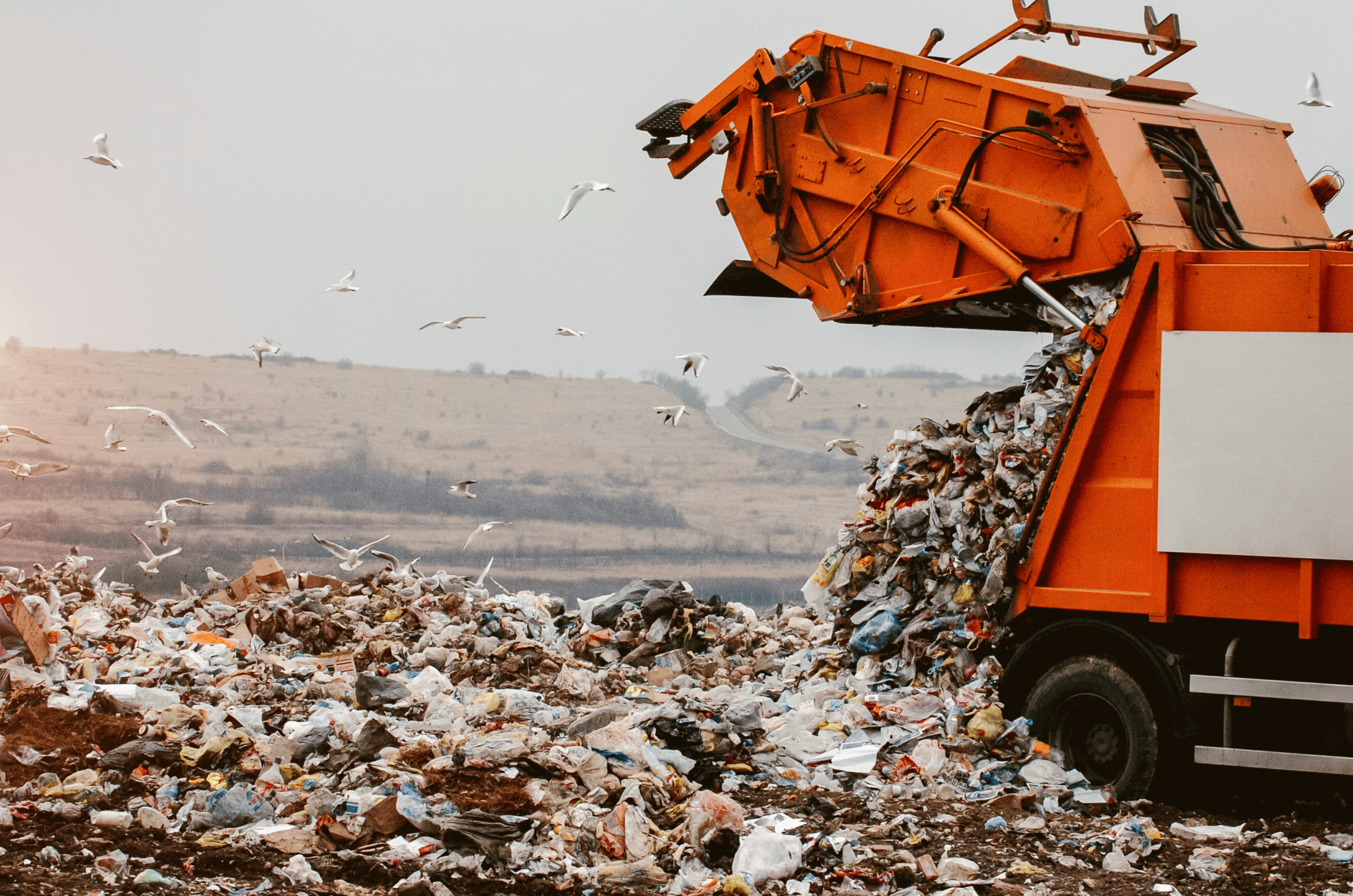
| Landfill gas | Installing and operating systems that collect methane generated by decomposing waste, then flaring the gas or using it to produce energy. The carbon activity takes place within an operating or closed landfill. |
| ODS and refrigerant destruction | Recovering and aggregating refrigerants and other high-GWP gases, transporting and storing them, and ultimately destroying them at specialized facilities. |
The environmental and social questions that follow from these activities are not the same. Each creates its own pathways through which workers, communities, or the environment could be affected and requires its own set of safeguards to manage them.
Context changes the risk
Identifying a potential environmental or social risk is only the starting point. The same activity can have very different implications depending on where and how a project operates.
A methane leak repair programme that requires access to private homes raises different considerations from one operating exclusively on industrial infrastructure. A landfill gas project at a well-managed facility with established environmental controls presents a different profile from one operating at a site with a history of contamination or community complaints. Well-plugging activities can similarly present different environmental and community risks depending on the condition and location of the wells.
Context determines how a risk manifests, who or what may be affected, and how significant it could become. At Calyx Global, our Beyond Carbon assessment therefore considers both the risks inherent to a project's activities and the safeguards in place to manage them within the project's specific context.
Importantly, the presence of risk does not in itself indicate poor project quality. Higher-risk activities can demonstrate strong environmental and social performance when those risks are well understood and appropriately managed.
The relevant context may also extend beyond the immediate point of emissions reduction. For ODS and refrigerant projects, considerations can arise across collection, storage, transportation and destruction. The relevant safeguards boundary is therefore not always the same as the carbon accounting boundary.
For buyers, the question is not simply whether a project has environmental or social risks, but whether the risks that matter in that context are being appropriately managed.
When Beyond Carbon risks become delivery risks
Environmental and social safeguards are not only about preventing harm. They can also affect whether a project is able to operate — and ultimately whether it delivers the climate outcomes and carbon credits expected from it.
Poorly managed environmental or social issues can lead to operational disruption, regulatory intervention, community opposition, project delays or, in more serious cases, suspension. For a carbon project, these consequences can translate into delayed or reduced credit generation.
This is where Beyond Carbon risk can become delivery risk. A project may have strong carbon accounting on paper, but its ability to deliver depends on what happens in practice. For buyers, understanding how environmental and social risks are managed can therefore reveal vulnerabilities that carbon accounting alone may not capture.
Looking beyond the tonnes
As interest in superpollutant credits grows, assessing project quality will require looking beyond how many tonnes are avoided or destroyed. The more complete picture comes from understanding how those reductions are achieved: what happens on the ground, who or what could be affected, and whether appropriate safeguards are in place.
Beyond Carbon is not separate from project integrity — it is part of understanding how that integrity is delivered in practice.
Keep up with carbon market trends
Get the monthly newsletter and stay in the loop.
Trusted By






About the author
Calyx Global Research Team