Superpollutants Season 2: Revisiting a critical part of the carbon markets
July 16, 2026 - Research
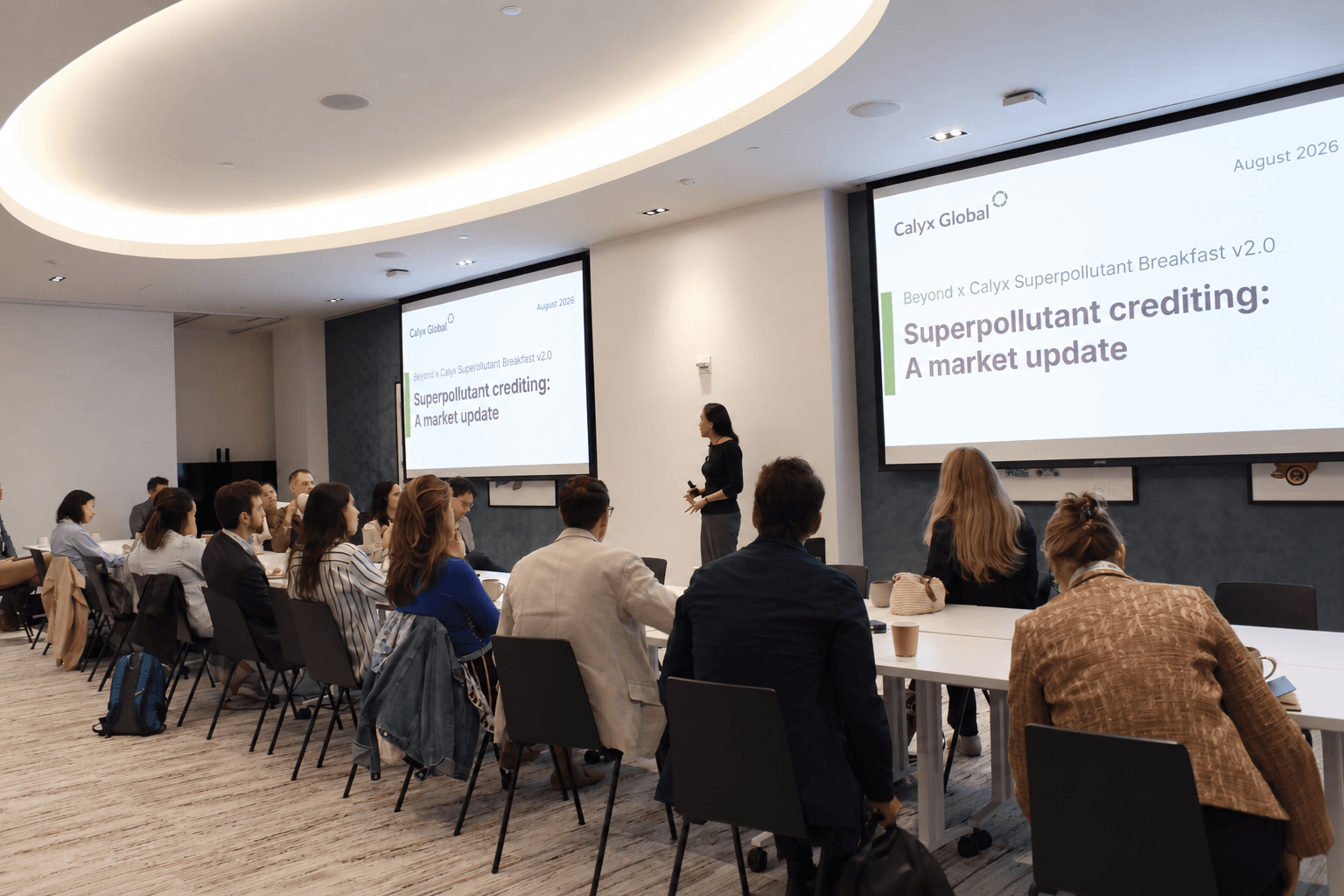
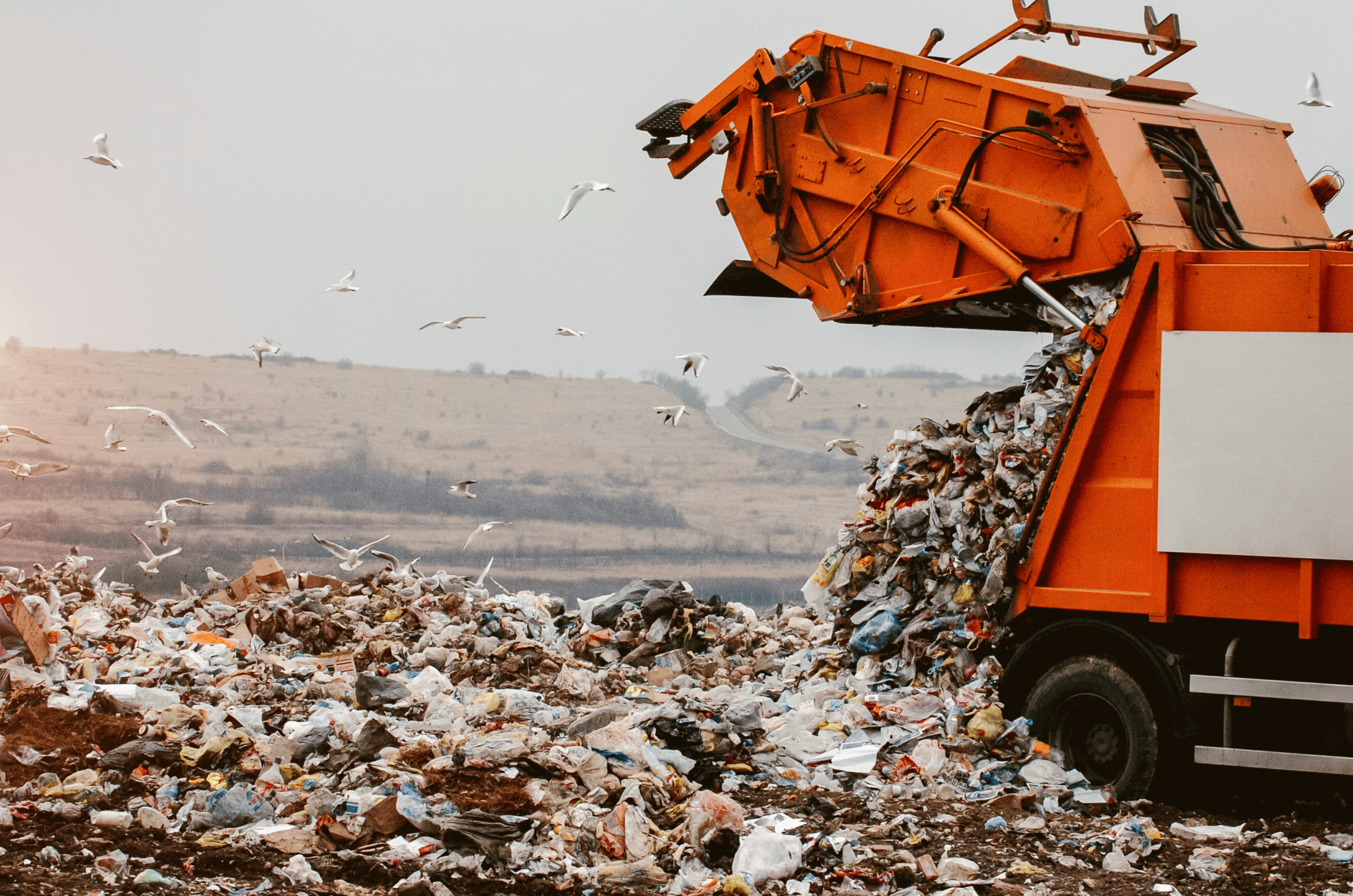
We are starting a new series on super pollutants. Some of you may be wondering: Where was Season 1? Did I miss it?
Calyx Global has been writing about superpollutants since 2022. Why?
When Calyx Global first started rating carbon credits in 2021, our goal was coverage: rate as much of the market as possible. This led us to start by rating many large-scale grid-connected renewable energy (ACM0002) and REDD projects – together, these made up over 68% of voluntary carbon market (VCM) retirements in 2021. However, we quickly discovered that this was not very helpful to our customers, because the majority of ACM0002 credits have a high risk of non-additionality. Additionally, REDD credits had significantly overestimated baselines – something we wrote about in 2023, but is now well known.
So we pivoted. We asked our independent GHG panel where we might focus to find higher quality credits. They advised us to consider various superpollutant credit types: ODS destruction, landfill gas and others. We started to assess those projects in earnest. In 2022, we coined these credits the “ugly ducklings” – underappreciated and undervalued credits. The image below illustrates how the GHG integrity of superpollutant credits compare to REDD and ACM0002, the two credit types that dominated the VCM from 2020 to 2023.
Figure: Ratings distributions for different credit types
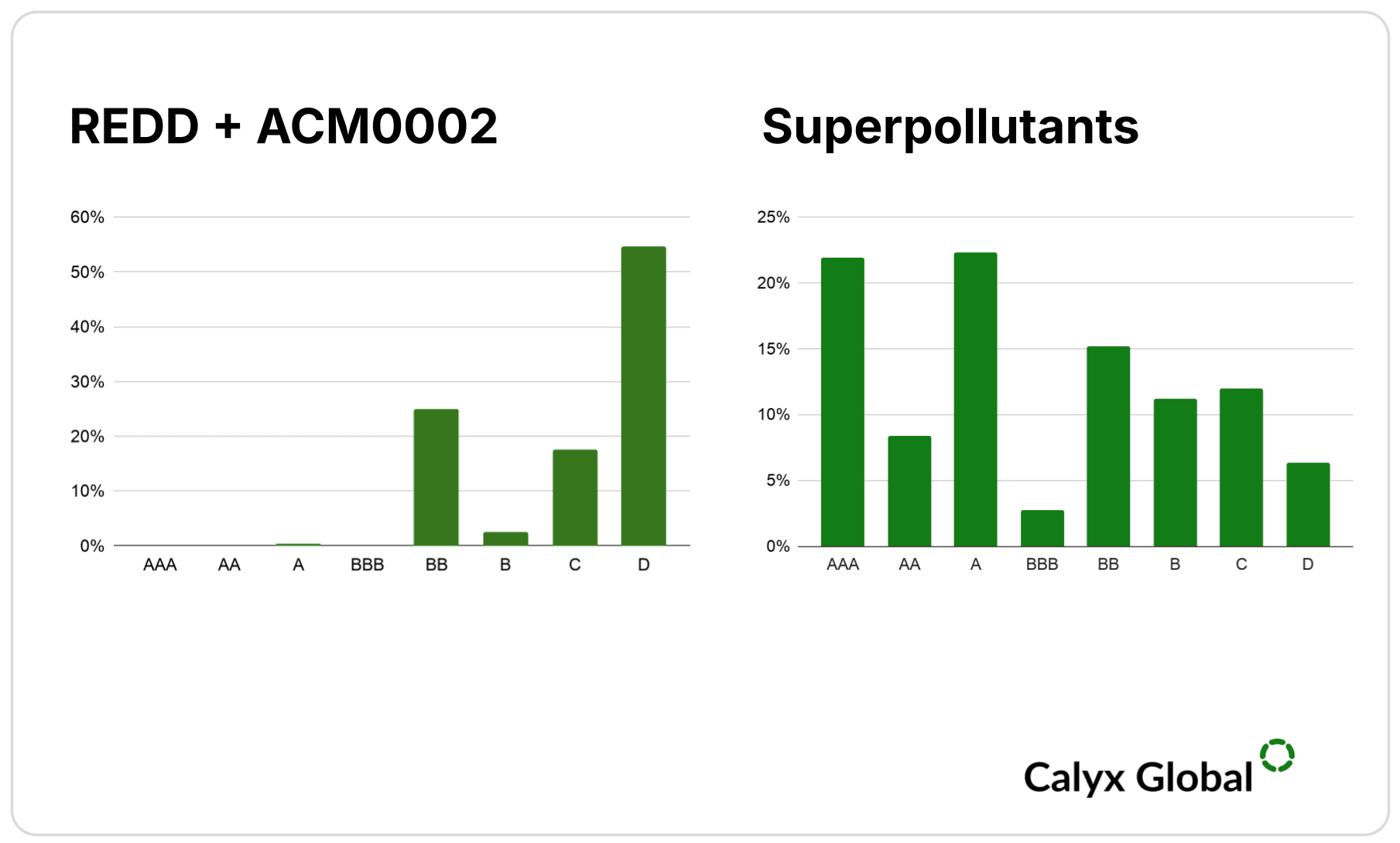
Note: These distributions are based on the % of Calyx Global ratings for the relevant project types. Calyx Global has 245 REDD and ACM002 ratings and 251 superpollutant ratings.
It was therefore no surprise to us that the first methodologies approved by the ICVCM were superpollutant project types: landfill gas and ODS destruction. This is also true for the Paris Agreement Crediting Mechanism (PACM), where the first two approved methodologies are landfill gas and N2O abatement from nitric acid production.
Fast forward to 2026, and superpollutants are all the rage. They are the stars of New York and London Climate Weeks and other carbon jamborees around the world. It might have something to do with the Beyond Alliance members’ announcement in March – “lighthouse” corporations including Amazon, Autodesk, Figma, Google, JP Morgan Chase, Salesforce, Netflix and Workday committed $100 million to tackle these high global warming gases.
For this reason, we’re launching Superpollutants Season 2: a new series of articles exploring superpollutants based on our years of evaluating and rating these project types. In the months ahead, we’ll examine some of the biggest questions shaping the future of superpollutants, including:
- How are superpollutants evolving from a carbon-market story to a policy story?
- Are conventional carbon accounting methods accurately capturing superpollutants' climate impact?
- Who should ultimately pay for superpollutant mitigation - the polluter, the taxpayer, or the carbon market?
Stay tuned or sign up for our newsletter to make sure you don’t miss an epsiode. If you want to catch up on Season 1, below is a list of our articles covering superpollutants over the past few years.
Season 1 sample: Calyx Global blogs on super pollutants
- Three early insights from Calyx Global’s carbon credit ratings (Sep 23, 2022) - this article is where we first called these credits the “Ugly Ducklings”
- Landfill gas projects garner high ratings but low interest (Mar 16, 2023)
- What is N2O abatement in nitric acid production? (Mar 21, 2024)
- Wasted Potential: What we've learned after rating 100+ landfill gas projects (Mar 26, 2024)
- Defining quality for N2O abatement projects (Apr 24, 2024)
- An introduction to large-scale manure management carbon projects (May 14, 2024)
- 500 Calyx Ratings: What have we learned? (May 22, 2024) - in this article we revisited the Ugly Ducklings
- Nitrous oxide abatement project insights (Jun 4, 2024)
- A deeper dive into nitrous oxide abatement projects (Jun 4, 2024)
- ICVCM announces first CCP labels: LFG and ODS (Jun 7, 2024)
- ICVCM CCP Labels: Proceed with caution on LFG projects (Jun 19, 2024)
- An introduction to plugging of orphan oil and gas wells (Jul 30, 2024)
- An introduction to GHG emission mitigation in wastewater operations (Aug 26, 2024)
- An introduction to Hydrofluorocarbons (HFCs) (Nov 14, 2024)
- Key takeaways from HFC project assessments (Jan 8, 2025)
- An introduction to coal mine methane projects (Jan 16, 2025)
- Digging deeper into coal mine methane projects (Feb 18, 2025)
- An introduction to LDAR (Mar 24, 2025)
- Superpollutants: Tackling a major climate threat (Oct 2, 2025)
- Abandoned mine methane (AMM): what it is, where projects are, and what to watch for (Oct 29, 2025)
- Ozone depleting substances: unpacking carbon credit integrity under a new methodology (Dec 15, 2025)
- HFC destruction: A new horizon for super pollutant credits? (May 12, 2026)
Keep up with carbon market trends
Get the monthly newsletter and stay in the loop.
Trusted By