3 things we’ve learned from 100+ environmental and social risks assessments
February 25, 2026 - Commentary
By Linda Rivera Macedo, Director Of SDG And Safeguards, Calyx Global
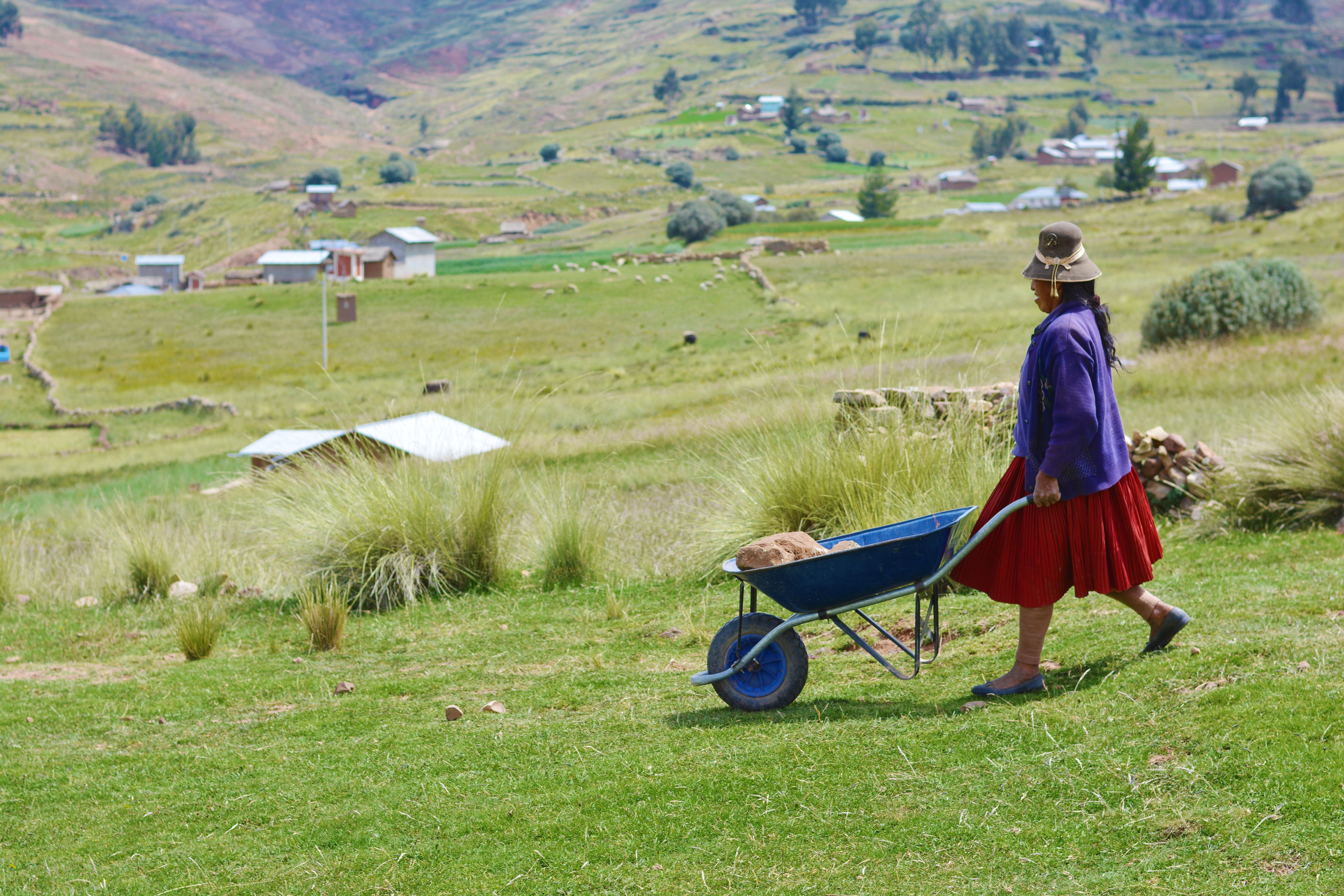
Carbon projects don’t just impact the atmosphere. They fundamentally affect people and the communities where projects take place.
I’ve seen it throughout my career—from reviewing community consultation processes in individual carbon projects to supporting governments in strengthening national safeguard systems, where strong governance protected communities, and weak oversight exposed them to risk. Done right, safeguards can be a major opportunity for communities; done poorly, they can do more harm than good.
That’s why Calyx Global looks not just at greenhouse gas integrity, but also how a credit contributes to Sustainable Development Goals and whether a project poses an environmental or social risk across ten different safeguards areas.
This month, Calyx was proud to assess our 100th project for social and environmental risks after four years of conducting these reviews. We have identified over 60 projects with low risks, and another ~40 with moderate to high risks, across more than 10 different project types. We are very proud to have a strong framework to assess environmental and social risk and the robustness of safeguards that has been endorsed by internationally recognized experts in the field.
We’ve seen an incredibly diverse mix of projects across sectors and geographies—some with strong mitigation measures already in place, others facing more complex or higher risks. Here are some of the top things we’ve learned along the way.
1. Governance is where safeguards most often fail
Across project types, countries, and standards, we see a consistent pattern: meaningful stakeholder participation, accessible grievance mechanisms, and transparent communication are often weak.
Consultations may happen, but they are not always inclusive or ongoing. Grievance mechanisms may exist, but they are not well known, accessible, or trusted. Information may be disclosed, but not in ways that communities can easily understand or use.
These gaps are not limited to particular project types or regions—they appear across the market. And when participation, transparency, and grievance channels are weak, risks are harder to identify, address, and prevent.
2. Impacts don’t stop at the fence line
Projects often treat the official boundary of a project as the boundary of impact. But environmental and social effects do not stop at the fence line. Supply chains, contractors, waste transport, and nearby communities are often part of the real impact footprint. Identifying these broader risks is critical, as they can affect stakeholder perception and the project’s reputation—even when they are not directly caused or controlled by the project itself.
When oversight is limited and responsibilities are unclear, risks can build quietly until they become visible.
3. Technology projects are not socially neutral
People often think only nature-based projects carry higher environmental and social risks, but this is not true. Industrial and technology-based carbon projects can affect communities through labor practices, land use, or indirect impacts. These impacts often fall disproportionately on low-income or historically marginalized communities, making environmental justice a critical consideration. Even when impacts are not immediately visible, they can still be significant. Technology does not remove responsibility.
Moving Forward
These lessons reinforce a simple truth: climate integrity alone is not enough. If carbon markets are to earn and maintain trust, safeguards must be treated with the same rigor, consistency, and accountability as carbon accounting itself.
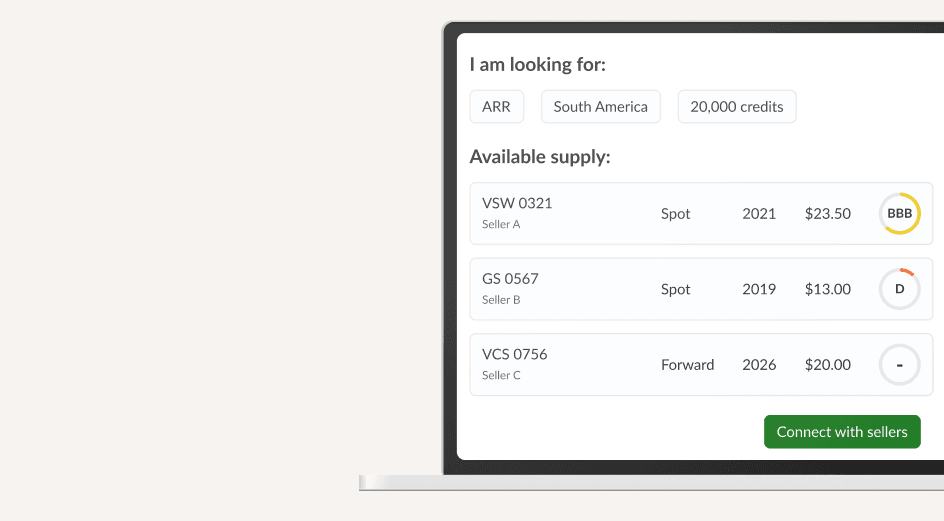
You can read more about our social safeguards work here. Calyx Global subscribers can view environmental and social risk screenings, sort by risk level and project type, or request an assessment on our platform. As we continue working to ensure carbon markets are beneficial to everyone, we’ll take these lessons into our next 100 environmental and social risk assessments.
To learn more about Calyx Global’s social safeguards work or request an assessment, reach out to Linda.
Keep up with carbon market trends
Get the monthly newsletter and stay in the loop.
Trusted By